A Sunday Loaf: Learning Sourdough Without the Stress
Sourdough has a reputation for being fussy. It is really just flour, water, salt and time, and time is the easiest ingredient to find on a slow weekend.

Jonah Reyes2 min read
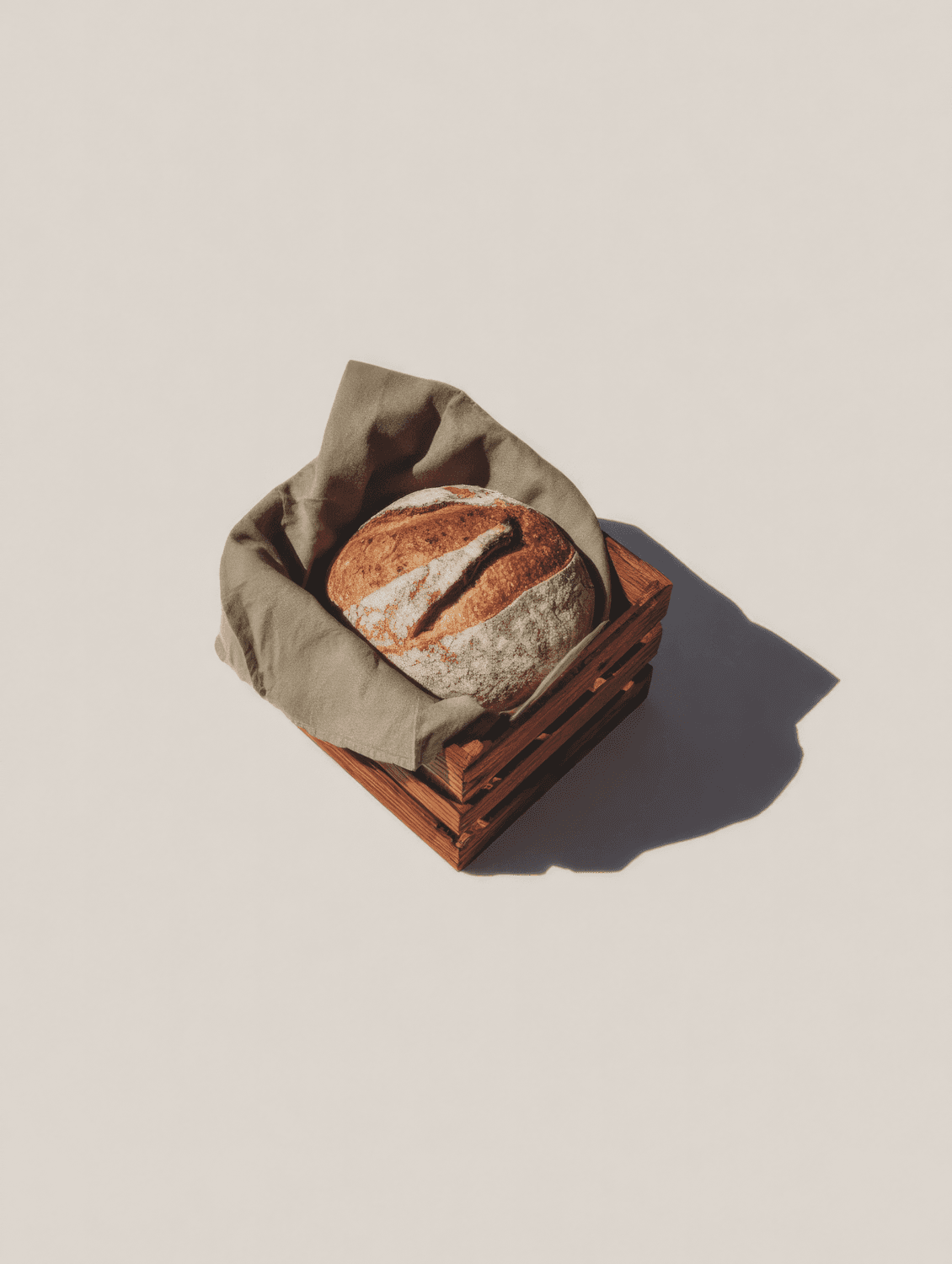
I have baked bread for most of my life, and I can tell you a secret the internet seems determined to hide: sourdough is not difficult. It is slow. Those are very different things.
The dough does almost all of the work. Your job is to set things in motion, then stay out of the way, checking in now and then like a good neighbour. If you can spare a weekend at home, you can bake a loaf you will be proud of.
What you need
- 100 g active sourdough starter, bubbly and roughly doubled since its last feed
- 350 g lukewarm water
- 450 g strong white bread flour
- 50 g wholemeal flour
- 10 g fine sea salt
You will also want a large bowl, a clean tea towel, a proofing basket or a bowl lined with a well-floured cloth, and a heavy lidded pot that can go into a very hot oven.
A relaxed weekend schedule
- Saturday, 9 am. Feed your starter so it is lively by early afternoon.
- Saturday, 1 pm. Mix the starter into the water, add both flours and stir until no dry bits remain. Cover and rest for an hour.
- Saturday, 2 pm. Sprinkle over the salt with a splash of water and squeeze it through the dough with wet hands.
- Saturday, 2:30 to 4:30 pm. Every half hour, do a set of stretches and folds: lift one side of the dough, fold it over itself, turn the bowl and repeat four times. Four sets is plenty.
- Saturday, 4:30 to 7 pm. Leave the dough alone until it has grown by about half and looks airy and domed.
- Saturday, 7 pm. Shape it into a snug round, place it seam side up in the floured basket, cover and refrigerate overnight.
- Sunday, 9 am. Heat the oven to 250°C with the pot inside. Turn the dough onto baking paper, slash the top and lower it into the pot.
- Bake for 20 minutes with the lid on, then 20 to 25 minutes with the lid off, until the crust is deeply browned.
Bread rewards attention, not anxiety. Watch the dough, not the clock.
Reading the dough
Recipes give times, but your kitchen sets the pace. In a warm summer kitchen the dough might be ready an hour early. In a cold winter flat it might need two extra. Learn the signs instead: the dough should look smooth and slightly domed, wobble when you shake the bowl and show bubbles along the sides and across the surface.
If it looks dense and tight, give it more time. If it is spreading and collapsing, it has gone too far, but do not throw it away. Shape it gently, bake it in a loaf tin and call it sandwich bread. Nobody will complain.
The hardest part
When the loaf comes out of the oven, it will crackle as it cools and smell incredible. You must leave it for at least an hour before slicing, because the inside is still setting. Make a pot of coffee, put some butter out to soften and enjoy the waiting. It is, after all, the whole point.
Share this story