Small Rooms, Big Calm: Designing a Space That Breathes
You do not need more square metres to feel at ease at home. You need more light, fewer things and a few deliberate choices about what stays.

Maren Holt2 min read
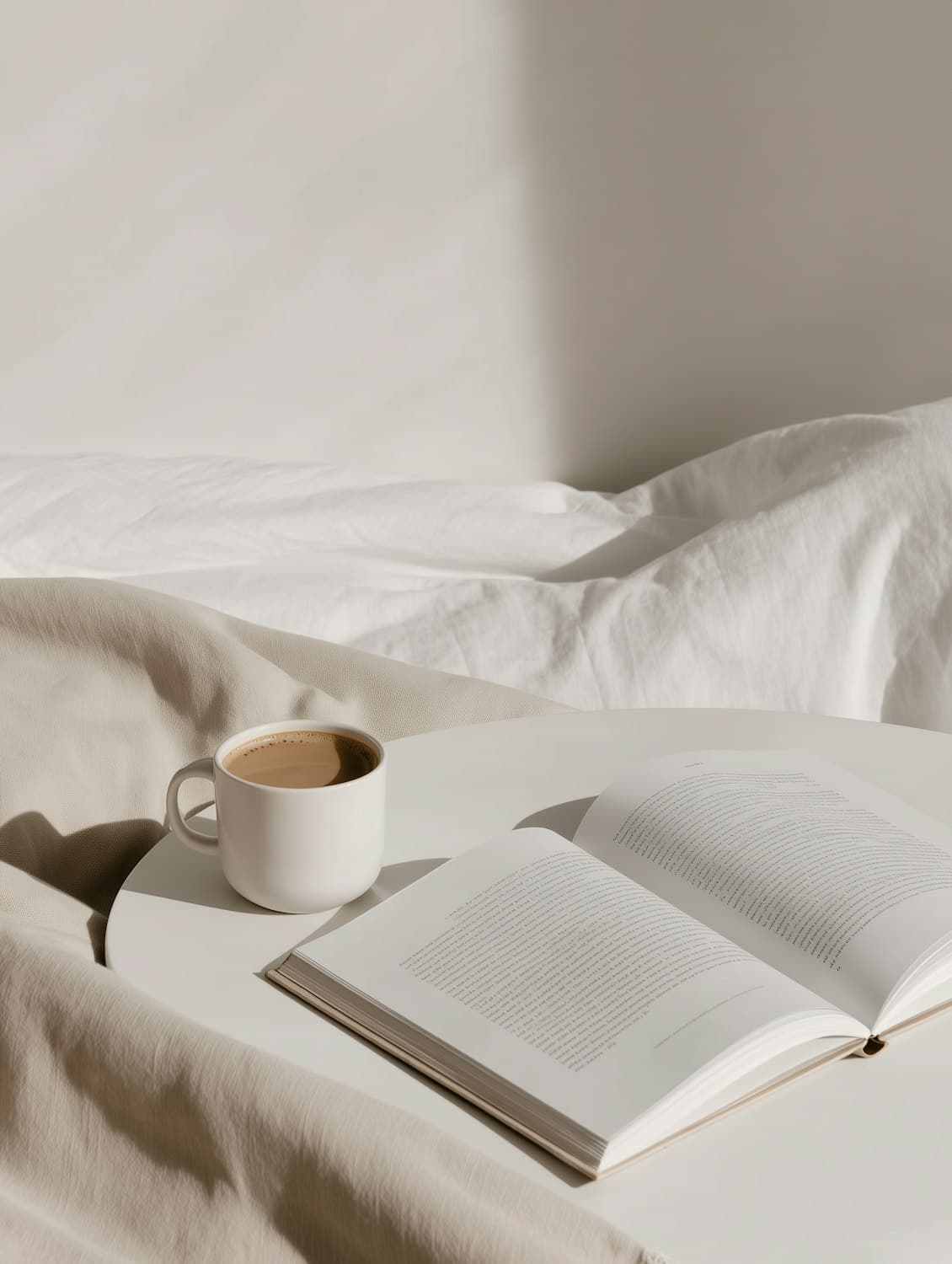
Some of the most peaceful rooms I have ever stood in were tiny. A fisherman's cottage in the Faroe Islands. A studio apartment in Kyoto with a single window facing a maple tree. A Copenhagen attic where the ceiling sloped so low you had to duck to reach the bed. None of them had much space. All of them had calm.
That calm is not an accident. It comes from a handful of decisions anyone can make, whatever the size of their home.
Start with the light
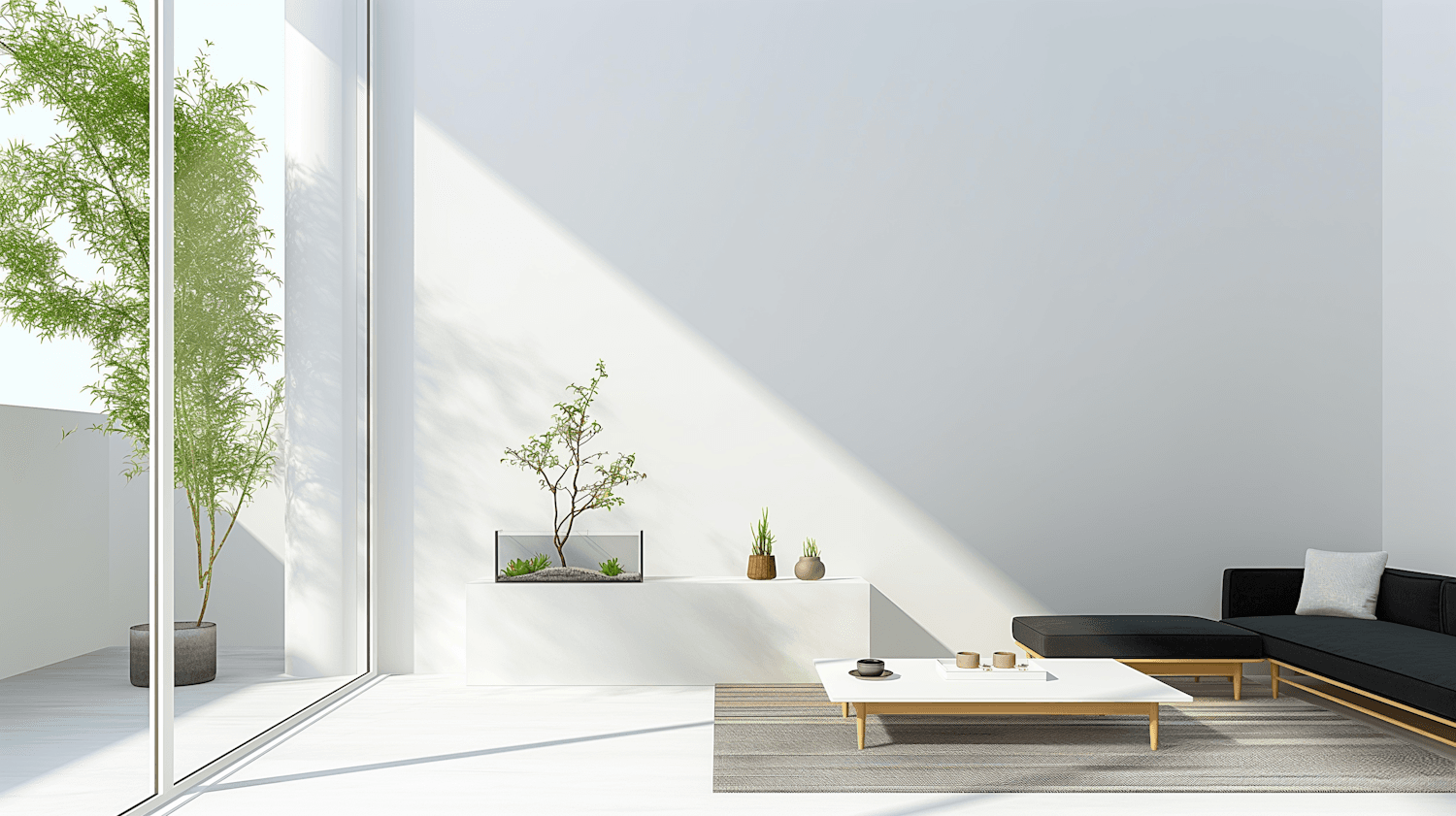
Before you move a single piece of furniture, notice where the light comes from and how it moves through the day. Then protect it. Keep window sills clear, choose sheer curtains over heavy ones and avoid placing tall furniture where it blocks the view out. A small room with good light feels generous. A large room without it feels like a waiting room.
Edit before you organise
Storage solutions are tempting, but they often just hide the problem. Before buying another basket, take everything out of a room and bring back only what you use or love. It is usually far less than you expect. The goal is not emptiness. It is a room where every object has earned its place.
Calm is not the absence of things. It is the absence of things that ask for your attention without giving anything back.
Choose fewer, larger pieces
It sounds counterintuitive, but a small room often looks bigger with one generous sofa than with two small armchairs and a side table. Lots of little pieces chop a space into fragments, while a few substantial ones give the eye somewhere to rest. Look for furniture with visible legs, too, so the floor flows underneath and the room feels lighter.
Keep a quiet palette and let texture do the talking
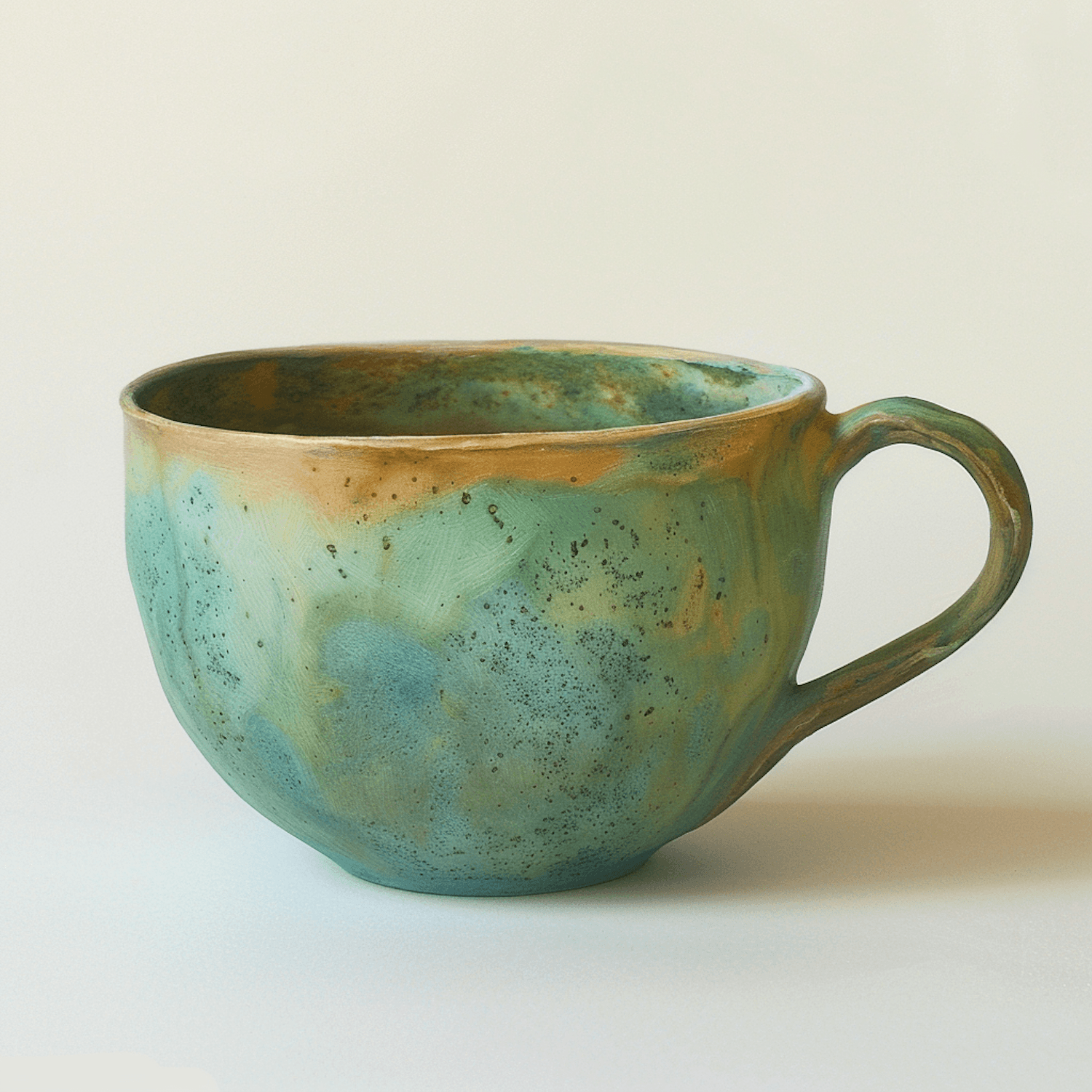
Pick a restrained set of colours, perhaps two or three tones that sit comfortably together, and repeat them throughout. Then add interest through texture instead of pattern: linen, wool, raw wood, a rough ceramic lamp, a woven rug. Texture is what makes a simple room feel warm rather than sterile.
Bring something alive inside
One large plant does more for a small space than a dozen tiny ones. It softens corners, adds height and changes gently with the seasons. If you do not have a green thumb, start with something forgiving like a rubber plant or a snake plant, and give it the brightest spot you can spare.
Leave one surface empty
This is my favourite rule, and the simplest. Choose one surface in every room, a table, a shelf or a stretch of counter, and keep it completely clear. It becomes a place for the eye to rest, and a small daily reminder that you are in charge of your space, not the other way around.
Share this story