Why We Keep Coming Back to Handmade Ceramics
A mug that fits your hand just so, a bowl with a glaze like weather. Handmade ceramics bring a quiet kind of character to the things we use every day.

Maren Holt2 min read
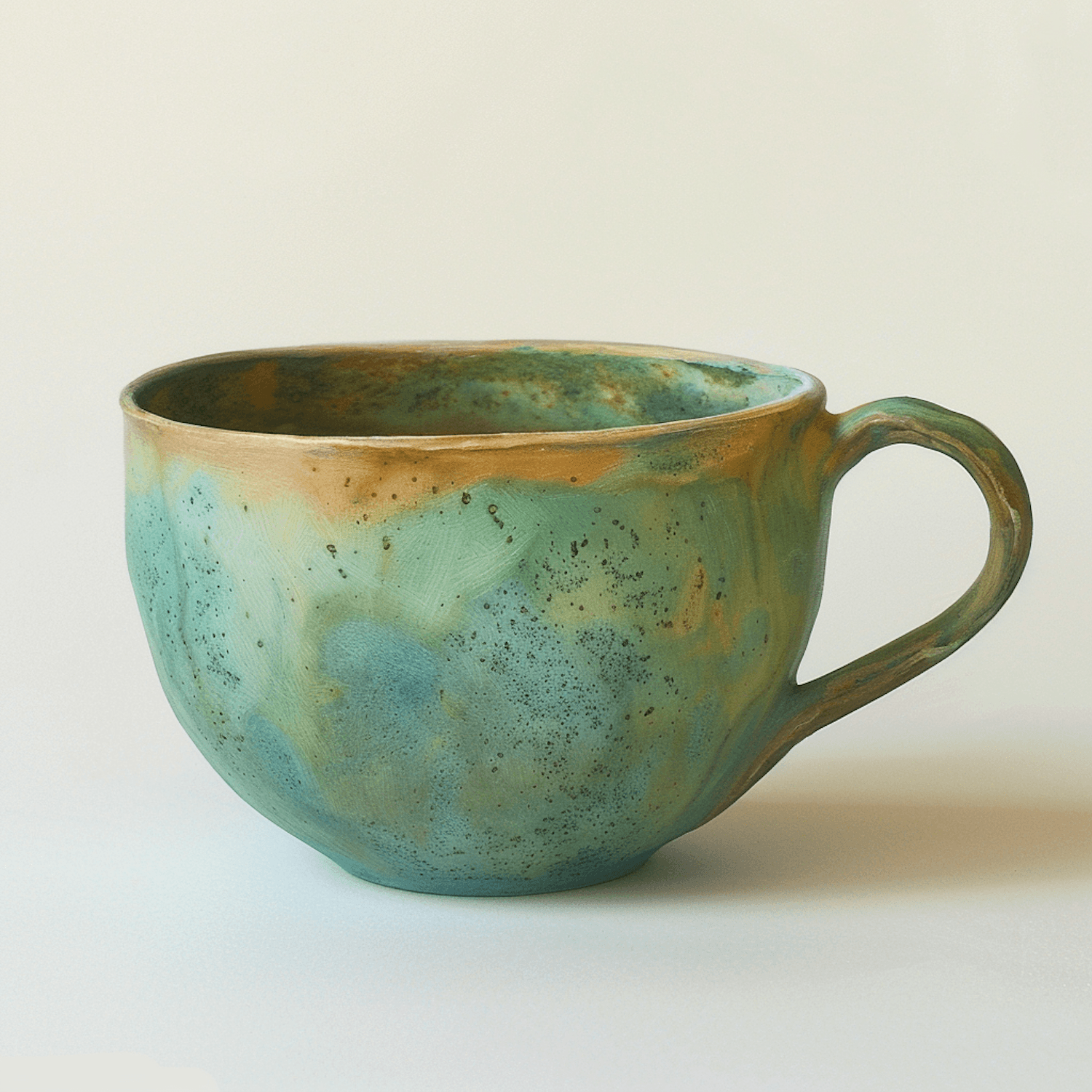
I own exactly one perfect mug. It is slightly too heavy, a little uneven at the rim and glazed in a green that changes colour depending on the light. A potter on Bornholm made it, and I have drunk my morning coffee from it almost every day for six years. When it eventually breaks, I will be genuinely sad.
There is a reason so many of us feel this way about handmade ceramics. In a world of identical, endlessly replaceable things, a piece made by human hands carries something different. It has a story, and every time you use it you become part of it.
The beauty of small imperfections
The Japanese idea of wabi-sabi finds beauty in things that are imperfect, impermanent and incomplete. Handmade pottery is full of it: a thumbprint pressed into the base, a glaze that pooled thicker on one side, a rim that dips gently where the wheel slowed. These are not flaws. They are evidence that someone made a decision, and that no other piece will ever be exactly the same.
Mass production promises perfection. Handmade things promise presence.
Objects that slow you down
Using something beautiful changes how you use it. Coffee from a handmade cup invites you to sit down instead of drinking on the move. A hand-thrown serving bowl makes even a simple salad feel like an occasion. These objects are small invitations to pay attention, and they repeat that invitation every single day.
How to start a collection
- Begin with what you use most. A mug, a cereal bowl or a small plate gets handled every day and repays the investment quickly.
- Buy from the maker. Studio sales, open days and craft markets let you meet the potter and hear how a piece was made.
- Pick it up before you buy. Weight, balance and how a handle fits your fingers matter more than how something looks in a photo.
- Do not aim for a matching set. Pieces from different makers that share a palette or a feeling look wonderful together.
- Ask about care. Many stoneware pieces are dishwasher safe, but some glazes last longer when washed by hand.
Living with them
Handmade pieces are meant to be used, not kept behind glass. They will chip occasionally and gather small marks over time. Let them. The Japanese practice of kintsugi repairs broken pottery with lacquer and gold, treating the break as part of the object's history rather than something to hide. Even without the gold, the same attitude applies: the more a piece is lived with, the more it becomes yours.
Share this story